
Case Study
Keeping 1.2M Members Informed When It Matters Most

Role
Senior Designer
Duration
2 Months
Launch
July 2021
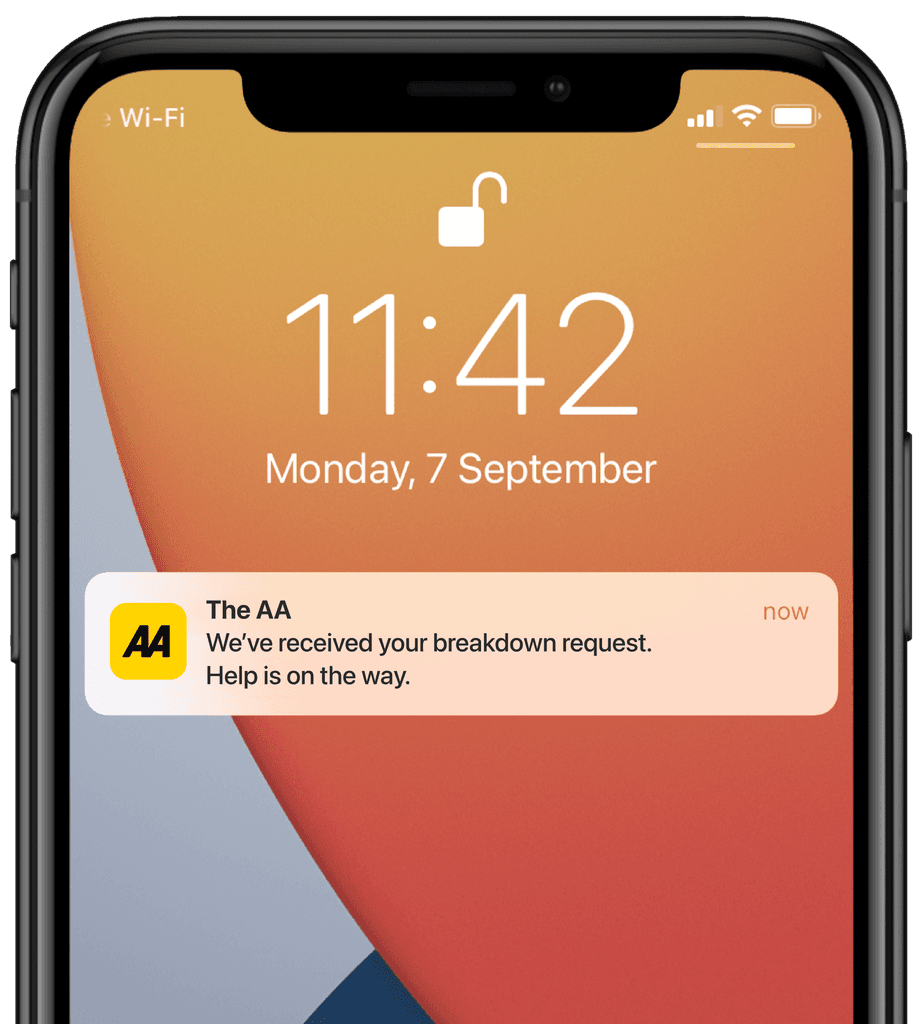


Best Effect on Business Goals
UXUK Awards
Executive Summary
Members rely on timely notifications in critical moments - from breakdowns to MOT reminders - to keep them on the road. But with only binary on/off settings, most either endured a flood of irrelevant alerts or disabled notifications altogether, limiting the app’s value when it mattered most.
Team

Senior Designer
Steph Brooks

Senior Designer
Chris Mears
Senior Product Owner
Cameron Kennedy
Lead Engineer
Alessandro Mani
Lead UX Researcher
Anna Sarrou
Key Contributions
UX Strategy & Vision
Stakeholder Alignment
Cross-Functional Workshops
Notification Framework
Granular Settings
In-App Education
Prototyping & Testing


!!
Testing revealed a strong connection betwee access to urgent alerts and app engagement
Diary studies, card sorting, and post-launch app analytics
!!!
Over 70% of members who opted out of notifications deleted the app within six weeks.
Analytics, support tickets, feedback surveys

Aligning the Organisation Around What Matters
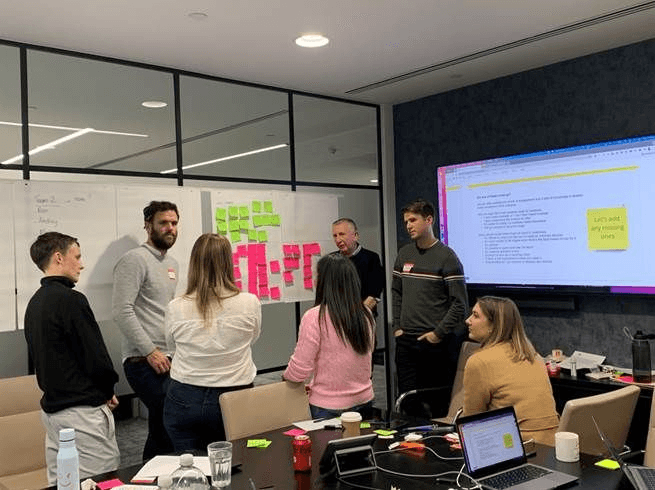
Ran workshops with stakeholders across every team to surface risks, user needs, and missed opportunities. Established shared principles prioritising critical notifications and reducing low-value alerts across all channels.
!
50+ low-value alerts identified and deprioritised across channels
Notification audit, stakeholder workshop

100% of teams aligned on notification principles within 6 weeks
Cross-functional workshops, follow-up survey
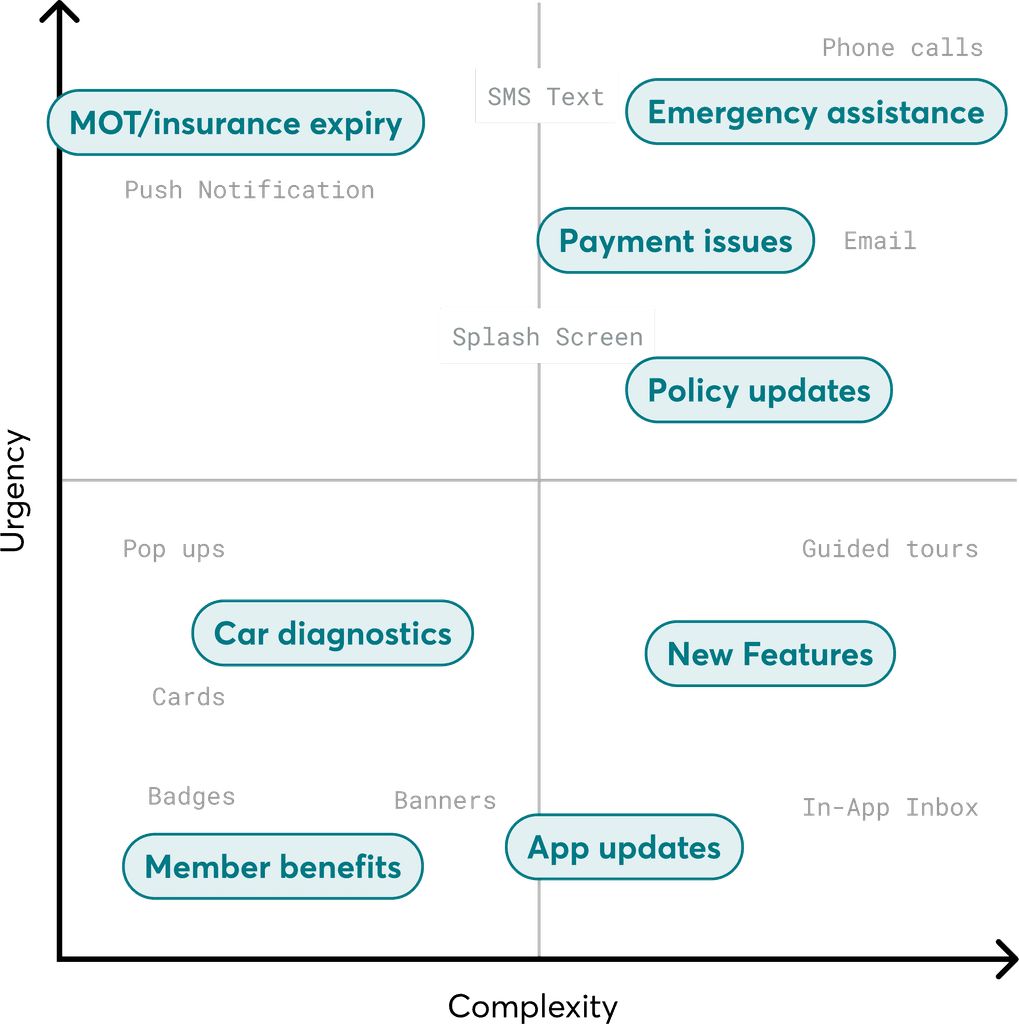
Grounding clarity through the notification matrix
Mapped the full spectrum of notification types and delivery channels to reveal overlaps, surface alternative options beyond push, and guide a multi-channel strategy that reduces noise while preserving critical updates.
70% of notifications reviewed and re-classified by urgency
Notification audit, taxonomy mapping
Multi-channel strategy increased in-app notification relevance by 40%
User testing, feedback surveys
Putting Control Back in Users’ Hands
Introduced granular, in-app opt-in/out settings, enabling members to manage notification types. Critical alerts were preserved, while low-value notifications could be personalised or paused.
Granular opt-in/out settings enabled 100% of users to personalise alerts
User analytics
>85% of members re-enabling notifications chose to amend their settings
Post-launch analytics and user behaviour logs

Reinforcing Value Through Education Moments
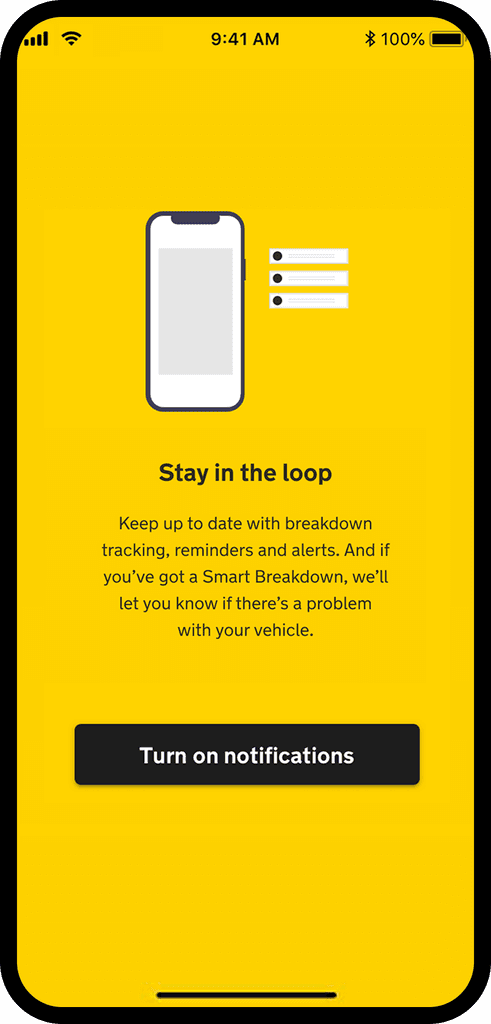
Designed contextual in-app education (e.g., splash screens during breakdown flows) to demonstrate why notifications matter, encouraging members to re-enable alerts they had previously disabled.
+30% members re-enabled notifications 1 month post launch
App analytics
Splash screens during critical flows reduced disabled alerts by 20%
Post-launch behavioural data

Learnings & Next Steps
Systemic notification problems span channels; cross-team alignment is critical to delivering real user value.
Early testing highlighted that giving members granular control dramatically increases engagement - a principle we’ll apply to future multi-channel interventions.
Next steps include expanding personalised notifications to secondary flows, further reducing noise, and monitoring engagement over time to maintain relevance and trust.
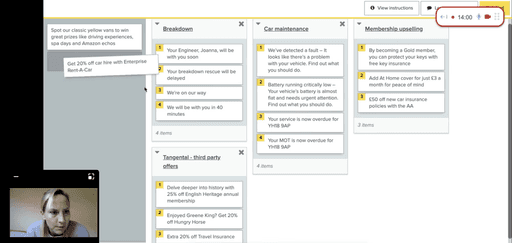
Card sorting helped clarify notification value and prioritisation across user segments.